A Viral Recipe Worth Trying: French Onion Pasta

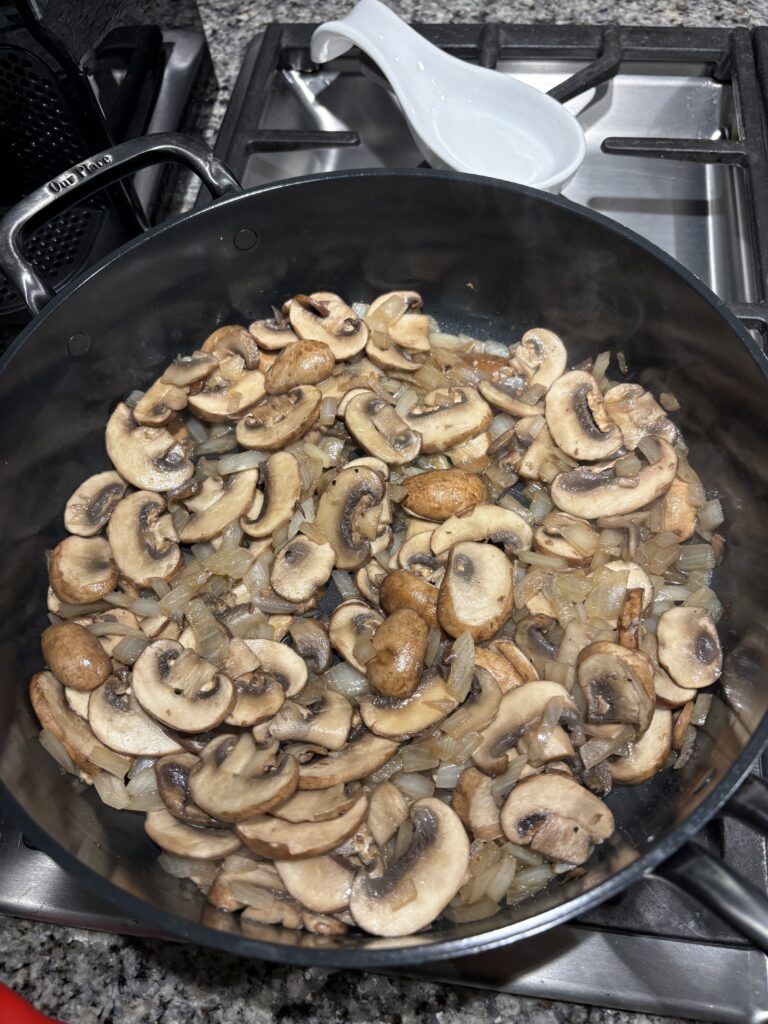
Mushrooms and onions cooking

This week, I decided to try a viral TikTok recipe that I kept seeing everywhere: French onion pasta. The dish turned out rich, creamy, and full of flavour in a way that felt both comforting and a little indulgent.
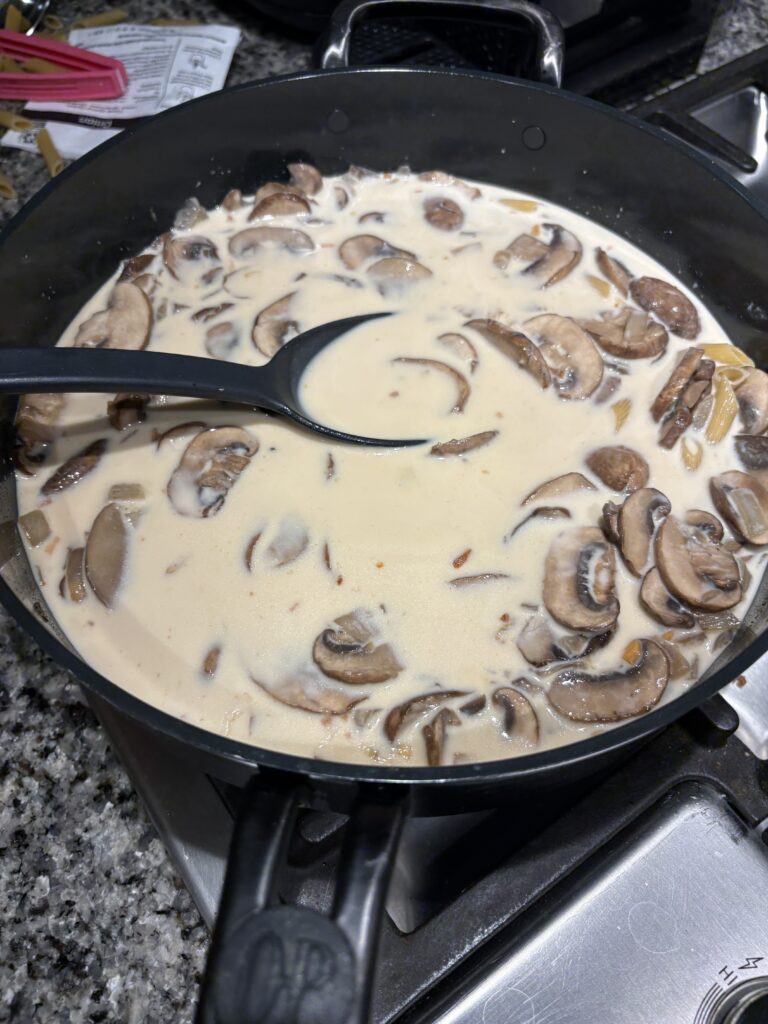
Mushrooms cooking with cream added

One of the best parts was how easy it was to make. I already had most of the ingredients in my kitchen, which made the whole process feel even more doable. I ended up doubling the recipe so I could have leftovers for the next day, which I would definitely recommend. The only thing I noticed was that it turned out a bit more liquidy than it looked in the video. That might have been because I doubled it. I still thought it tasted amazing. By the next day, it had thickened up after soaking in, and it was just as good.
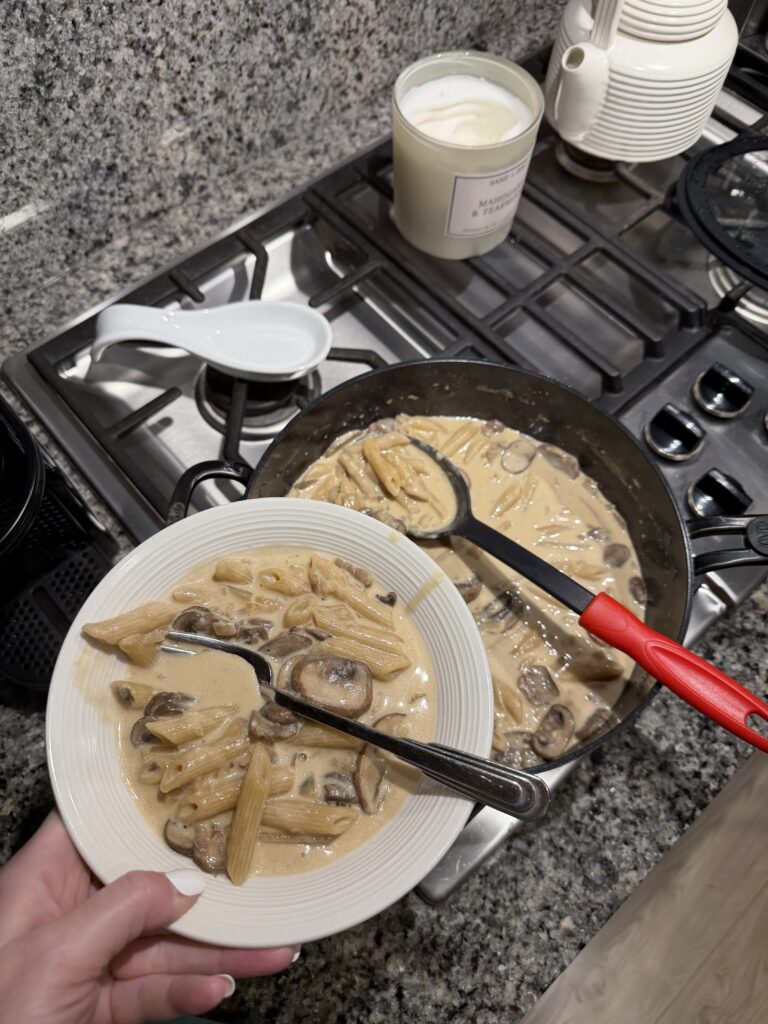
Pasta in a creamy mushroom French onion sauce

History of French Onion Soup

French onion soup actually dates back to Roman times, when onions were cheap, easy to grow, and widely available. People would combine them with broth and bread to create a simple, filling meal, especially for those with limited resources. Over time, the dish became more popular in France, where it evolved into the version we recognize today. The addition of melted cheese on top is what really transformed it into the rich and iconic dish that inspired recipes like the pasta I made.

Reflections on the Inquiry project as a whole

Looking back on this whole inquiry project, I can honestly say I really enjoyed the experience. It pushed me to try new recipes and, more importantly, to learn about the history behind the foods I was making. That extra layer of understanding made each meal feel more meaningful and interesting.

If I could go back and talk to myself at the beginning of the semester, I would probably say not to worry so much about whether the recipes would turn out. They did, and I ended up discovering a few new favourites that I’ve already added to my regular rotation. I also feel like I expanded my horizons when it comes to food. 

Some of my favourite moments were when I got to share these meals with friends and family. Cooking is one thing, but getting to enjoy the food with others made the whole experience even better.

I also learned a lot about using different educational technology tools throughout this project. Before this course, I didn’t know how to use hyperlinks, and now I see how useful they are for making blog posts more interactive and easy to navigate. Being able to link to recipes or resources adds so much value for the reader. I also really enjoyed adding videos and images to my posts, since it made them more engaging and multimodal. On top of that, learning how to use alt text was an important step in making my work more inclusive and accessible.

Overall, this project was such a fun and rewarding experience. I really enjoyed documenting my learning throughout the semester, and it’s something I’ll be able to look back on, not just as an assignment, but as a collection of experiences I genuinely enjoyed.
A Love Letter to Leftover Tomatoes

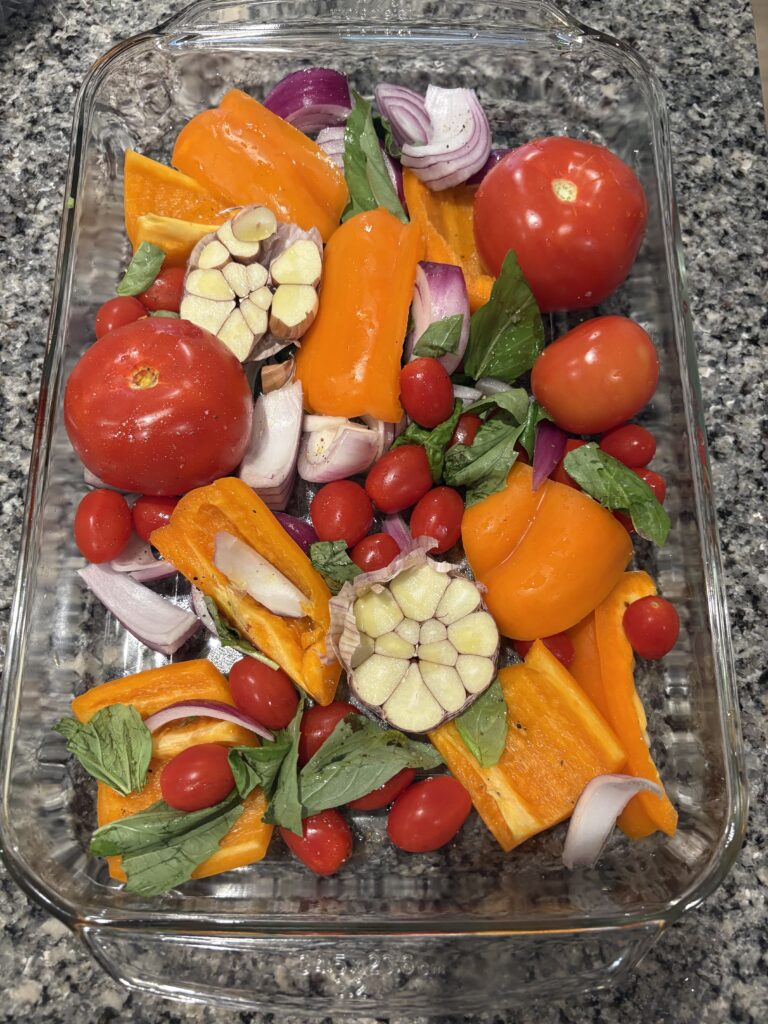
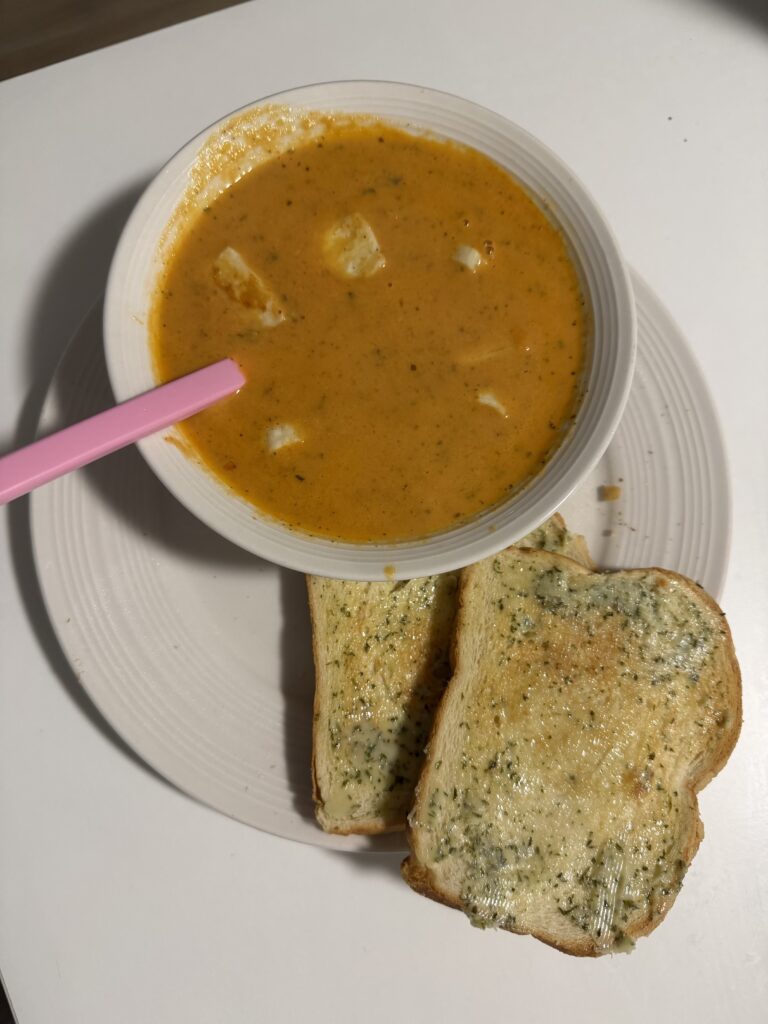
After a few tomato-heavy meals earlier in the week, I found myself with a pile of leftovers that needed to be used up. I love the challenge of building a meal around what I already have.  So when I came across a roasted garlic tomato soup with halloumi croutons recipe on TikTok, it felt like perfect timing. I even had a leftover pepper to use in this recipe! I also had some leftover heavy cream from another meal, so I decided to swap it in instead of the coconut milk the recipe called for.

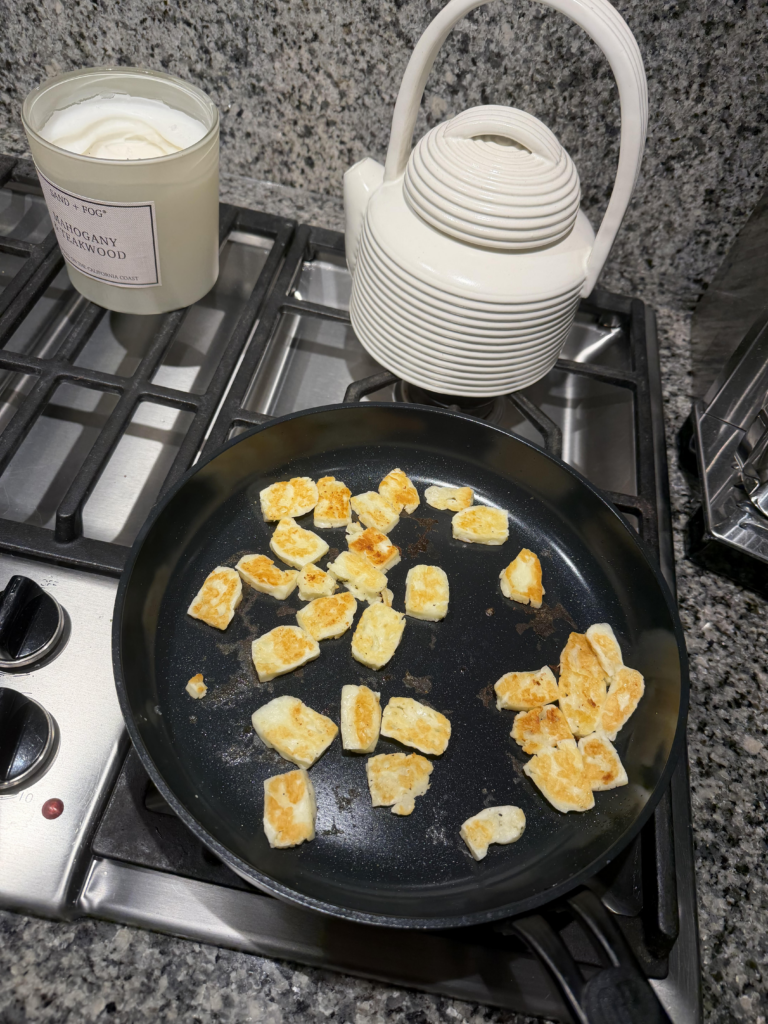
What really sold me on this recipe was the halloumi croutons. I absolutely love halloumi, but I had never thought to use it as a soup topping before.

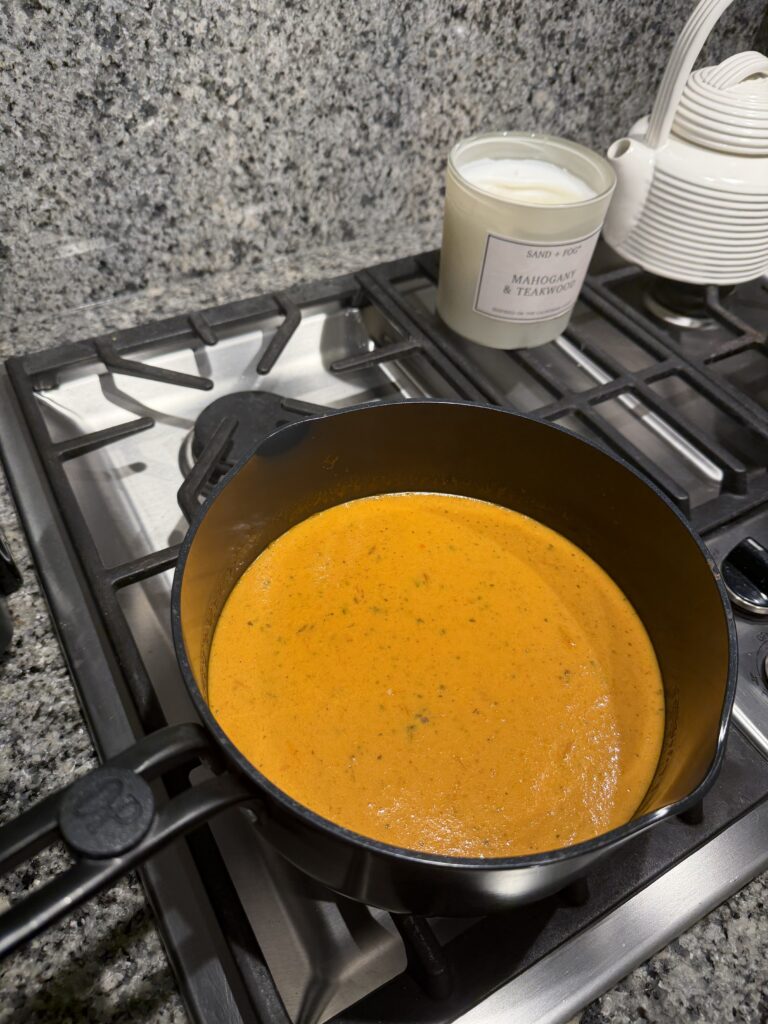
The recipe itself was fairly simple. I added the tomatoes, garlic, and pepper to a pan and roasted everything until soft and caramelized. Then I blended it all with vegetable broth. It was easy overall, though I will say the roasting took quite a bit longer than the recipe claimed. That often happens to me when I cook from online recipes. I always factor in extra cooking time. 

One of my favorite parts of this meal was how vibrant everything looked before it went in the blender. It felt good knowing the soup was loaded with vegetables. After blending, it turned into a silky, rich tomato base that smelled incredible.

The halloumi was an absolute game-changer. It added texture, saltiness, and something substantial to the bowl. I love a soup that has something in it and not just liquid. The crispy cheese pieces were the perfect flavor boost to the tomato base. To round everything out, I made some garlic bread for dipping, which turned out to be the perfect finishing touch.

History of Tomato Soup

I was blown away to learn that the tomato is actually a berry and originally comes from South America. Tomatoes were brought to Europe by the Spanish in the 16th century. When they first arrived, they were used more for decoration.  The Europeans were afraid of tomatoes because they were part of the nightshade family. I was surprised to learn that tomatoes have not actually been in Italian cuisine for as long as I assumed. They have always seemed central to Italian cuisine. 

Tomato soup itself became popular in the 19th century during the Industrial Revolution, when advances in agriculture, transportation, and food preservation made it more accessible. In 1897, Campbell’s developed condensed canned soup, and tomato was one of its first and most popular varieties. Since then, tomato soup has become a true household staple.

Gingerbread Cheesecake Cookies and a Lesson in Reading the Recipe

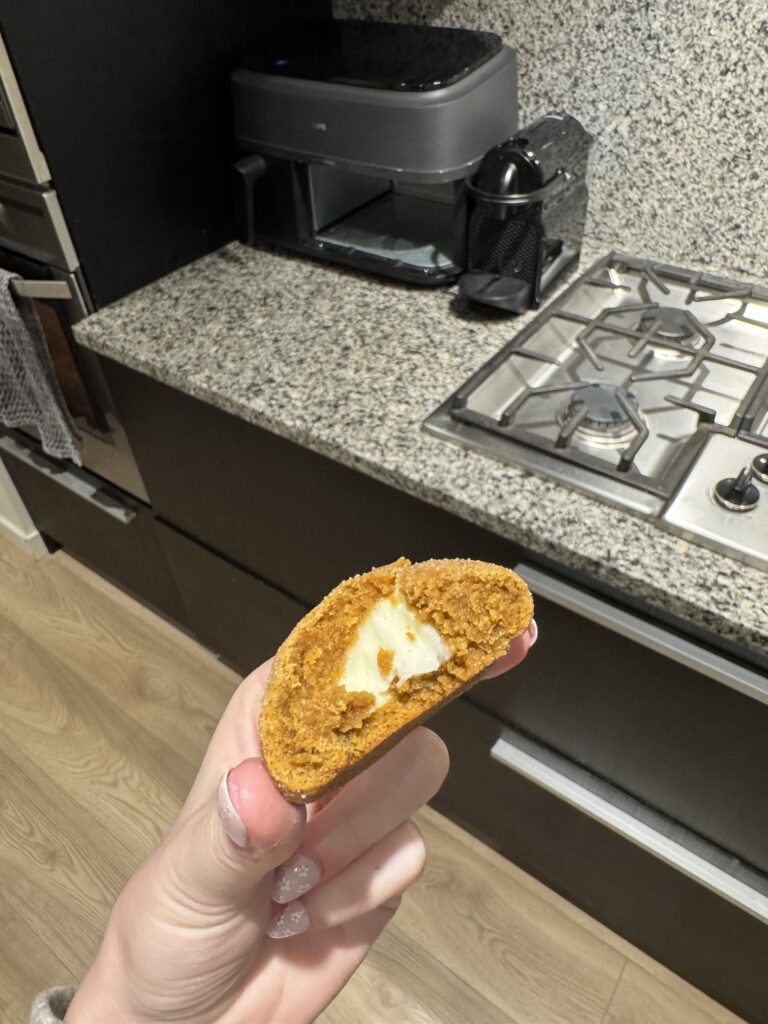
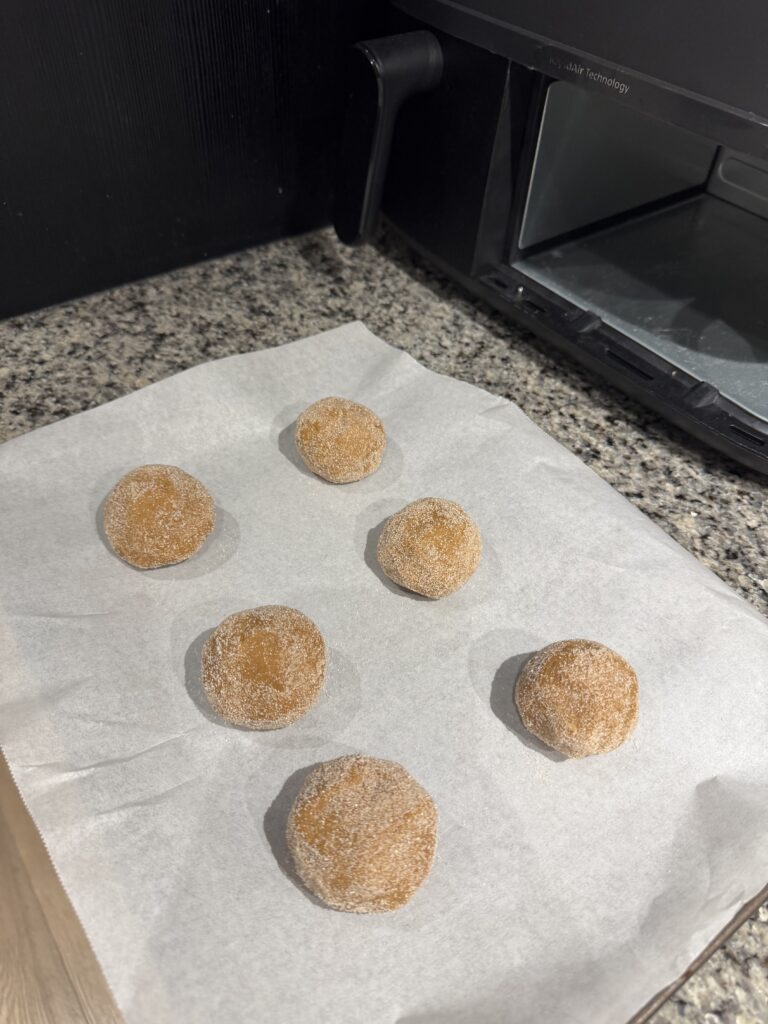
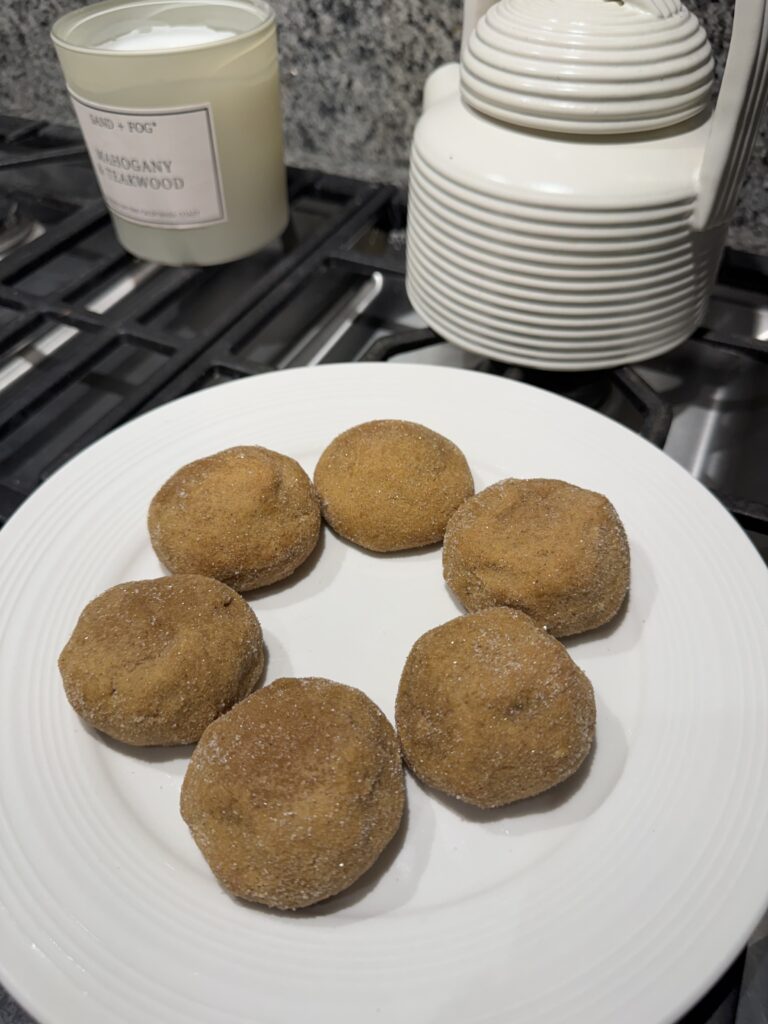
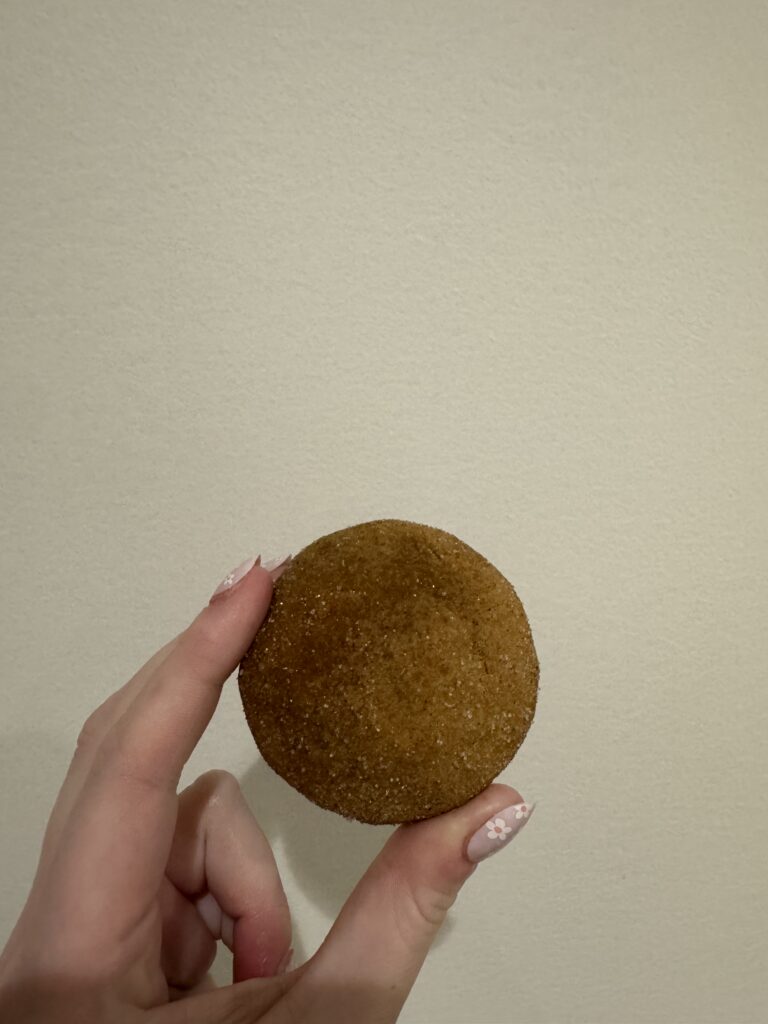
My new recipe of the week is Gingerbread Cheesecake Cookies, and they might just be one of my favourite things I’ve baked this winter.

I made these for a weekend trip to Sooke and brought them along as a little treat for my family. We enjoyed them bundled up near the beach, and they were the perfect sweet treat after a long walk. Everyone loved them!

I originally saw these cookies on TikTok and immediately knew I had to try them. What I did not realize, because I have a bad habit of not fully reading recipes before diving in, was that this was going to be a two-day process.

One of my biggest struggles with trying new recipes is that I choose them because they look delicious and jump straight to the ingredient list. I do not always read the steps carefully. This time, I only realized after buying everything that the cheesecake filling in the center needed to be frozen before wrapping it in the gingerbread dough. 

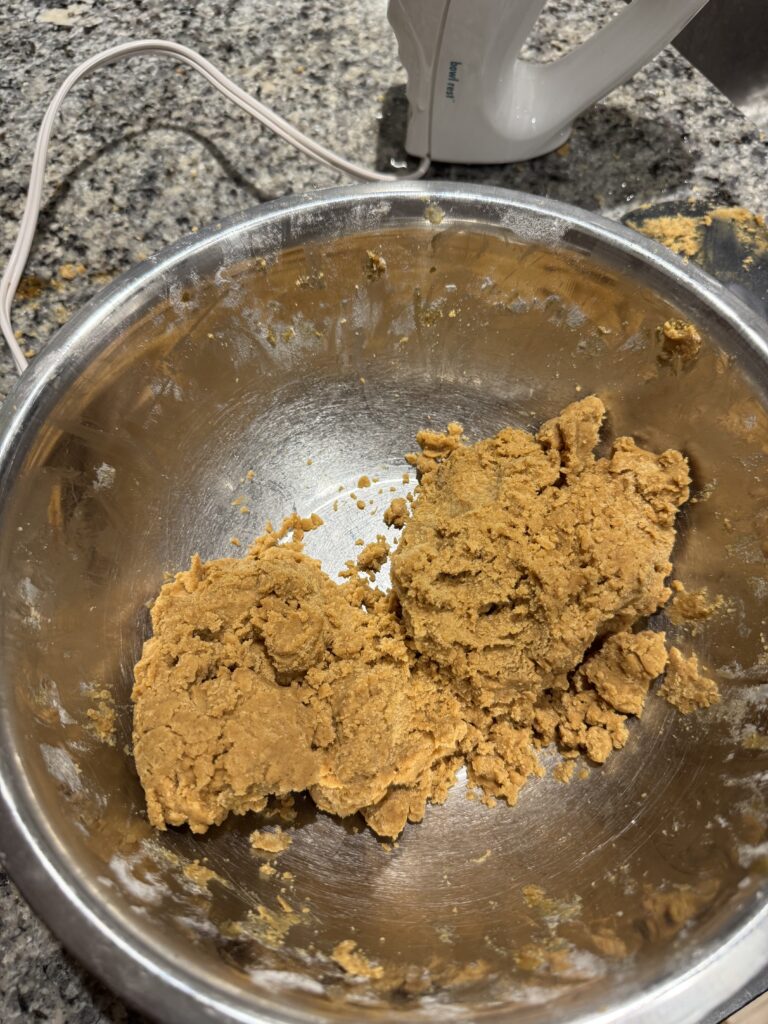
So Thursday night became cheesecake filling night. I quickly mixed it and popped little scoops into the freezer.  Friday night was for the gingerbread dough. Once that was ready, I wrapped each frozen cheesecake ball in cookie dough and carefully sealed them up before baking.

I did make one small mistake. I did not portion out quite enough dough per cheesecake ball and ended up one ball short. It was not a total loss because I got to sample the cheesecake portion. 

When the cookies came out of the oven, they looked much thicker than the ones in the video. For a moment, I thought I had done something wrong. Then I actually read the recipe properly and saw that they would flatten as they cooled. Sure enough, they settled into the perfect soft, thick cookie with a creamy centre.

In the end, they were not overly complicated, just a little more involved than I expected. And they were absolutely delicious. If anything, this recipe reminded me that reading through instructions fully before starting can save a lot of stress.

Now onto a little gingerbread history!

Gingerbread has been around for thousands of years and is believed to have originated in China. As trade routes expanded, spiced ginger treats made their way to Europe, where they quickly became popular. In medieval Europe, monks would press saints’ shapes into gingerbread and use them during religious celebrations.

Eventually, gingerbread became more than just a religious treat. Kings and nobles would distribute decorated gingerbread to gain favour with the public. It was even believed at one point that gingerbread could help your love life. Eating a heart-shaped gingerbread cookie was thought to bring romance, and some women would eat cookies shaped like men in hopes of finding a husband. 

There was also a darker chapter in its history when gingerbread became associated with superstition and even witchcraft. Despite that, it also found wholesome uses. It was used as an educational tool, with letters pressed into it to help teach children the alphabet.

By the 18th century, molasses became a common ingredient, creating the darker, softer gingerbread that many of us recognize today. The tradition of gingerbread houses is often linked to the story of Hansel and Gretel by the Brothers Grimm, which helped popularize the idea of edible houses decorated with sweets.

Gingerbread has had a long and interesting life, moving from ancient trade routes to monasteries, royal courts, folklore, and now Christmas goodies. I love that these Gingerbread Cheesecake Cookies feel like a tiny modern twist on something with so much history behind it.

And next time, I will definitely read the recipe all the way through before I start!

Tuscan Gnocchi: Expanding my Italian Cooking Horizons

Tuscan Gnocchi: Expanding My Italian Cooking Horizons

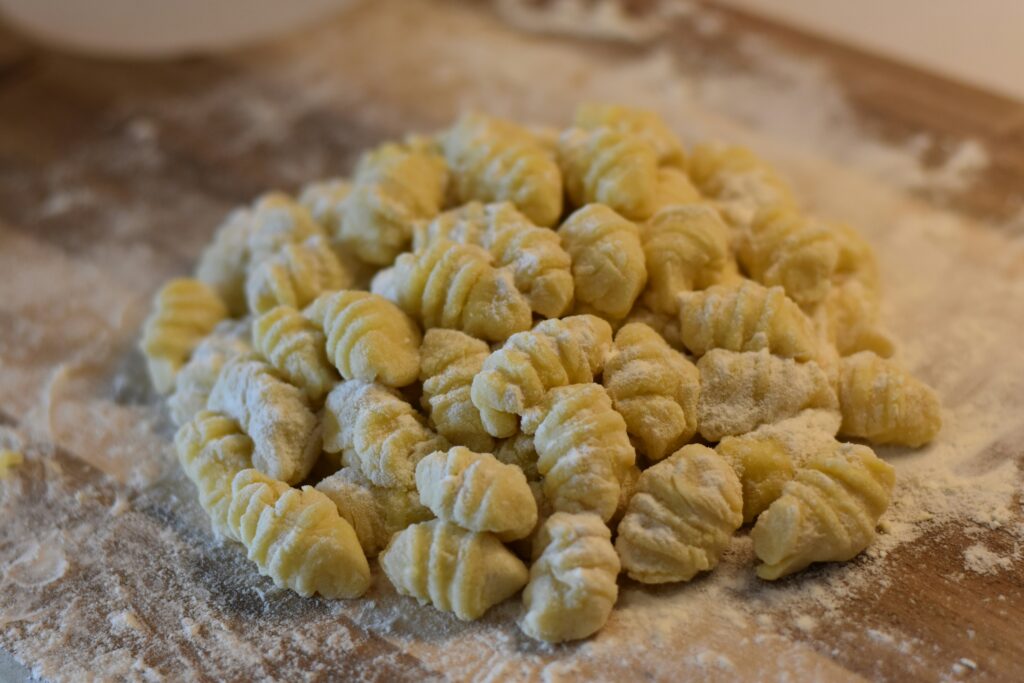
My first new recipe for the blog is Tuscan Gnocchi, and I am so excited to share it. I have always loved Italian food, but when cooking at home, I usually gravitate toward classic pasta dishes rather than gnocchi. Because gnocchi is something I am less familiar with, I wanted to challenge myself and expand my Italian cooking horizons with this recipe.

Photo by Gábor Molnár on Unsplash

A Brief History of Gnocchi

Gnocchi is a traditional Italian dish that originated in the northern regions of Italy. While its exact origins are unclear, it is believed to date back to the Middle Ages. During this time, peasants relied on simple and affordable ingredients to create filling meals.

The name gnocchi comes from the Italian word “nocca,” which means knuckle. This refers to the small, dumpling-like shape of gnocchi. Over time, the dish became a staple in Italian cuisine, with different regions developing their own unique variations and recipes.

Potatoes played a crucial role in the development of gnocchi. Before potatoes were introduced to Italy in the 16th century, gnocchi-like dishes were made using ingredients such as bread, polenta, or turnips. Once potatoes arrived, they quickly became popular because they were inexpensive, abundant, and nutritious. The dish became so closely associated with potatoes that it was often referred to as gnocchi di patate. To this day, potatoes remain a fundamental ingredient in traditional gnocchi recipes, particularly in Northern Italy.

Photo by Arthur Hinton on Unsplash

Dinner, Wine, and Good Company

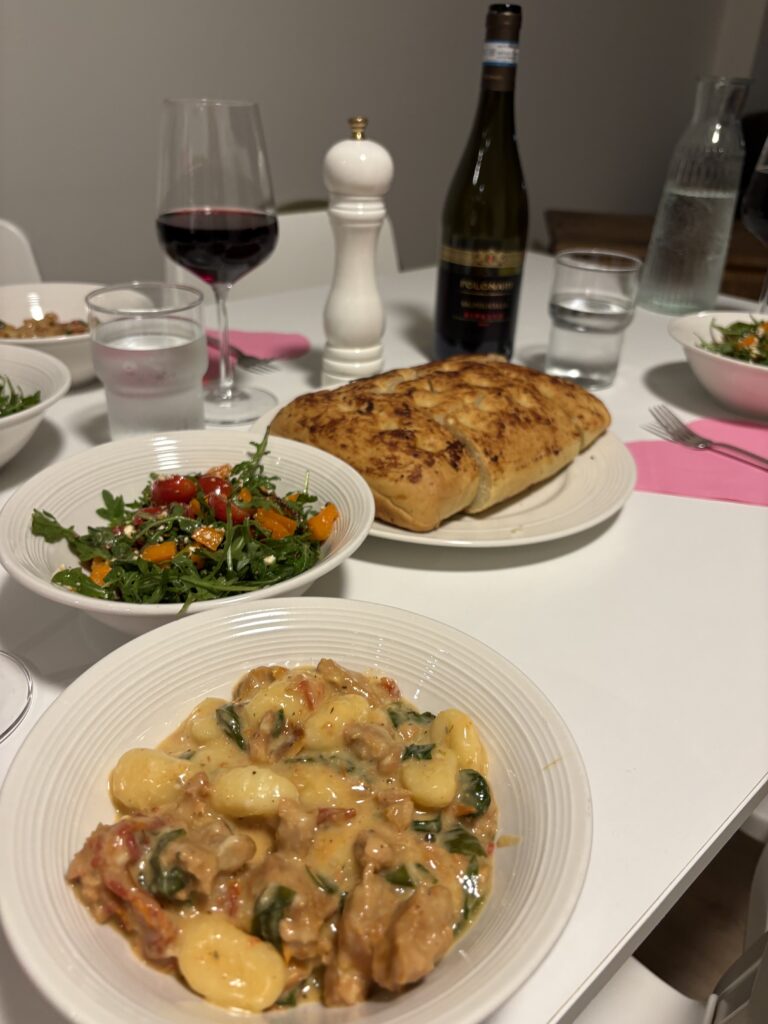
For this meal, I invited my classmate Liz over to share dinner with me. Liz is working on her inquiry project about wine culture and brought an Italian red to pair with the meal. Liz picked a delicious red wine from the Veneto region. It was full of flavour and paired beautifully with the gnocchi. The wine was smooth and rich, with notes of berries and spice. I enjoyed it so much that I would definitely purchase it again. To learn more about the wine Liz brought, find it on her blog!

To accompany the gnocchi, I made an arugula salad with a shallot dressing and served it alongside focaccia bread. I love pairing a rich and creamy pasta dish with something fresh because it helps balance the overall meal.

Ending on a Sweet Note

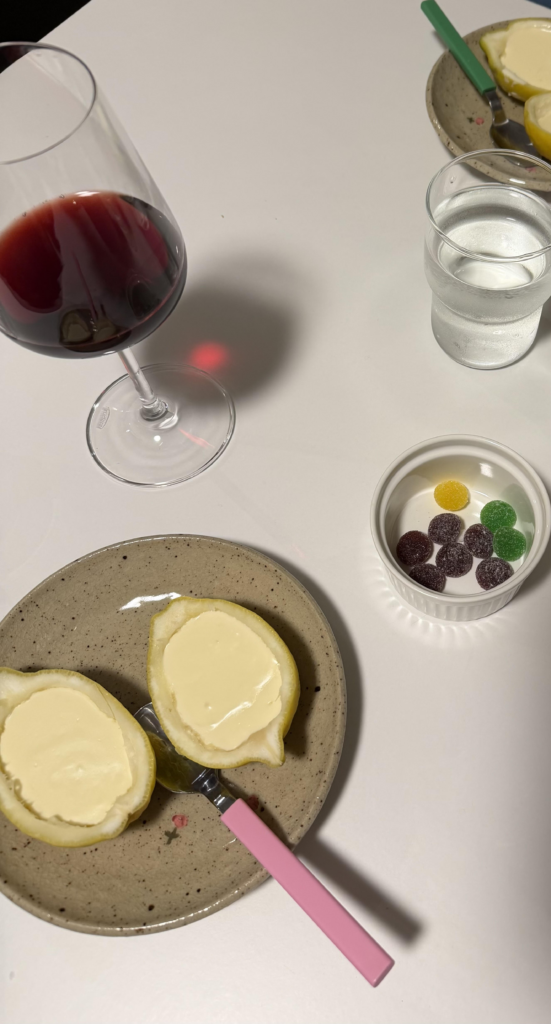
To finish the meal, I made lemon possets, which felt like the perfect dessert to complement an Italian-inspired dinner. I have made these possets before, and they are always a hit. They are delicious, simple, and aesthetically pleasing.

The most challenging part of the recipe is hollowing out the lemons to use as serving cups. While it is possible to serve the possets in small bowls instead, using the lemons adds to the overall presentation. Another important step is allowing enough time for the dessert to chill and set in the fridge. For this meal, I prepared the possets the night before, which worked perfectly and left my fridge smelling like fresh lemons.

Final Thoughts on the Recipe

Overall, I found the Tuscan gnocchi recipe easy to follow, and the final result was delicious. The dish was creamy and rich, while the sun-dried tomatoes added a strong and balanced flavour. I used spicy Italian sausage, which added the perfect amount of heat to the meal. Everything came together quickly, made enough food for three people. It is a dish I would happily make again.

What I Loved About This Recipe

• It was quick and simple to make
• It was full of flavour
• It is easy to adapt for different dietary needs, since the base recipe is vegan and can be made gluten-free with the right gnocchi

Things I Changed

• I cooked the gnocchi and the sausage in separate pans and added the sausage at the end so I could cook it until perfectly crisp, even though it meant a bit more cleanup
• I used regular Parmesan instead of a vegan alternative since I already had it in my fridge and eat dairy

This is a recipe I will definitely be keeping and making again in the future.

Cooking, Learning, and Sharing

For my inquiry project, I plan to make a new recipe every week to expand my cooking knowledge. I already love to cook, but I often find myself going back to the same recipes over and over again. By trying something new each week, I hope to push myself to take more risks in the kitchen and discover new meals and techniques. 

I also notice that when I try a new recipe,  I sometimes forget the changes I made or the notes I thought of while cooking. By creating weekly posts, I will have a place to write down my adjustments, such as changing ingredients, cooking time, or preparation steps. Many recipes underestimate prep time, and since I’m a slow vegetable cutter, it usually takes me way longer than expected. Writing these notes will help me remember what worked and make it easier to remake recipes in the future. 

I love to cook and share food because I find it a great way to connect with people. Seeing my friends and family enjoy something I have made brings me a lot of joy. I hope to share some of these meals with the people I care about and hear their opinions. During this busy season of life, while balancing school and work, these moments around a good meal help brighten my days. 

Another part of my inquiry project will be learning about the story or culture behind each recipe. As a future Social Studies teacher, I find it really interesting to learn where things come from. For example, next week I plan to make a variation of gingerbread cookies for a weekend trip with my family, and I hope to research how gingerbread cookies became so popular. Being able to share these facts along with my food will add meaning to the experience. 

I will use different types of media to find new recipes, including Pinterest, TikTok, Instagram, and cookbooks. With so many ways to discover food today, this project will give me the chance to explore new ideas while doing something I love!