More Than Doodles: Lessons in Teaching and Tech

I can definitely see the benefits of sketchnoting. It’s a simple way to take notes while connecting ideas with visuals, and I can understand how that could help students remember information more easily and keep things clear and concise.

That being said, sketchnoting just isn’t really for me. I’m not someone who enjoys doodling or drawing, and I don’t feel very confident in that area. For me, trying to add sketches actually makes it harder to focus on the notes themselves. It ends up feeling more distracting than helpful.

Even though it’s not my thing, I can still see it being useful for students. If I were to use it in my classroom, I’d introduce it as an option rather than something required. I think it’s important to let students figure out what works best for them, because I know there are definitely others like me who wouldn’t enjoy it.
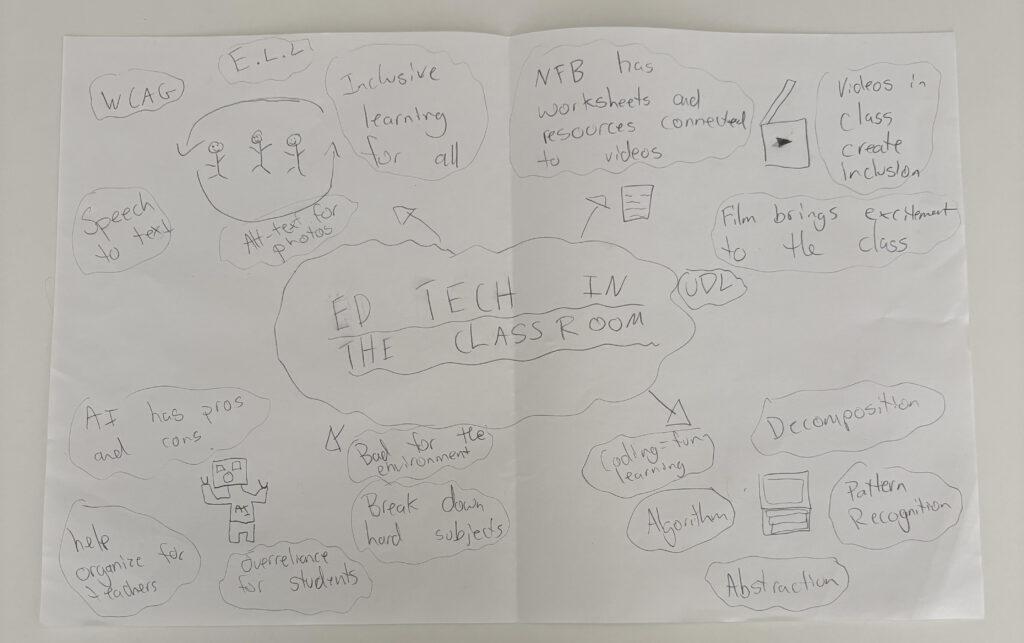
My sketchnote on lessons from our course.

Themes of the Course

Looking back at my sketchnote, it helped me highlight some of the main takeaways from the course. One of the biggest things that stood out to me was using film and video in the classroom. Resources like the National Film Board of Canada make it easy to bring engaging and meaningful content into lessons. I really like the idea of using film to make learning more interactive and inclusive.

Another big takeaway for me was learning about inclusive technology. Since one of my practicum classes will be in an inclusive education classroom, I can already see how helpful tools like text-to-speech and speech-to-text will be. These kinds of tools can make a huge difference for students and help make learning more accessible.

I also liked the idea of using computational thinking to break down more complex topics. I think this could be really useful in a social studies classroom, especially when students are working through bigger or more complicated ideas. It just makes things feel more manageable.

AI is probably the trickiest topic for me. I can see a lot of the benefits, but there are definitely some downsides too. I think the biggest challenge is figuring out how to use it in a positive, responsible way while also helping students build strong digital literacy skills. It’s something that’s going to keep evolving, so it feels important to keep learning about it as a teacher.

More Than Just Pressing Play: Using Film in the Classroom

Old school movie projector

Photo by Jeremy Yap on Unsplash

This week, I had the chance to watch an inquiry project by my fellow teacher candidates Annalise, Beth, Drew, and Meghan, and it really got me thinking about my own teaching practice. Their project focused on using film in the classroom, and it was packed with thoughtful ideas and useful resources. One highlight for me was a film resource that Drew created himself, which was both creative and highly practical for classroom use.

The presentation reinforced something I have already been exploring in my own practice. I recently attended a Pro D day with the National Film Board of Canada, where I was introduced to a wide range of films, along with supporting materials such as worksheets, discussion questions, and essay prompts. Seeing how these resources can be paired with film made the idea of using video in the classroom feel much more practical and purposeful. Read about my experience at that p-Prod D day here!

What continues to stand out to me is how powerful film can be as a multimodal tool. It combines visuals, audio, and storytelling in ways that reach a wide range of learners. For students who may struggle with traditional text-based learning, film can offer a more accessible entry point. It also adds a level of depth and engagement that can be hard to replicate in other formats.

At the same time, I find myself thinking carefully about the challenges with film. One concern I have is student attention. In a world where students are constantly consuming short-form content on their phones and streaming platforms, watching a film in class no longer feels as novel or exciting as it once did. Even with structured supports like worksheets, it can be challenging to keep students fully engaged. 

I experienced this firsthand during a recent lesson I taught for an assessment class. I planned to show a 12-minute video, but my mentor teacher pointed out that this would likely be too long without breaking it up. She explained that students might lose focus if they are not given opportunities to pause, reflect, and respond along the way. That feedback stuck with me and made me realize that simply showing a film is not enough.

Moving forward, I want to be more intentional about how I use film in my teaching. Rather than simply pressing play, I need to think about strategies that keep students actively involved. This might include pausing for discussion, incorporating guided questions, or designing activities that require students to engage with the material as they watch.

Overall, this week reinforced my interest in bringing film into my teaching. It is a tool I definitely plan to use, but also one that I want to approach thoughtfully so that it truly supports student learning and engagement

Coding and Computational Thinking in the Classroom

Coding

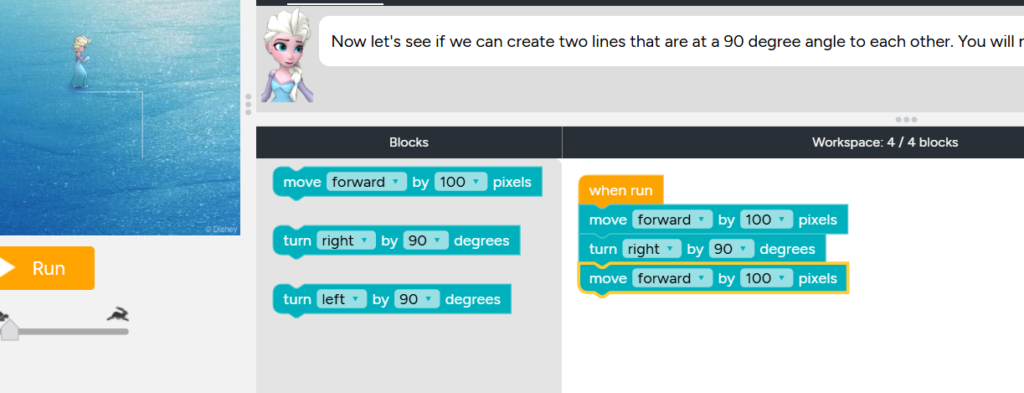
I have seen firsthand how bringing coding into the classroom can be incredibly useful. I work as an educational assistant for a family that homeschools, and one of the subjects I help with is their computer class. For this class, the students take an online coding program that uses Scratch.

It has been amazing to watch how excited the students get when they start building their own games. The program gives them the freedom to be creative while still following structured instructions. They love experimenting with different ideas and seeing their code turn into something they can actually play.

I have also noticed how much their computer skills have improved. Coding has expanded their understanding of how computers work, and it has even strengthened their typing skills, since they often have to type code. These students already love playing video and board games, so the coding class connects something they enjoy with meaningful learning. With so many careers becoming connected to technology and the digital world, I think it’s great that they are developing these skills as part of their regular school schedule.

Computational Thinking

Computational thinking is often broken down into four main parts, and it provides a helpful way to approach complex questions and problems. The first step is decomposition, which means breaking a large or complicated issue into smaller, more manageable parts. This happens frequently in Social Studies. For example, when studying World War II, we need to break the war into many smaller topics, such as its causes, major events, and consequences, in order to understand its global impact fully.

The next step is pattern recognition, which involves identifying trends or similarities across different events. In Social Studies, students often look for patterns when comparing historical events. For example, many revolutions share similar causes, such as economic inequality, political dissatisfaction, or social unrest.

The third step is abstraction, which means focusing on the most important information while setting aside less relevant details. This is a particularly important skill in Social Studies because many topics are very broad. Using World War II again as an example, students need to understand the main ideas of the war and the key people involved, such as Adolf Hitler, rather than memorizing every individual battle. Abstraction helps students process large amounts of information without becoming overwhelmed.

The final step is algorithmic thinking, which involves organizing information into clear, step-by-step processes. Historical events often follow sequences that can be mapped out logically. For example, the start of World War II can be understood through a series of steps, including Adolf Hitler gaining power in Germany and the invasion of Poland in 1939.

Computational thinking can be a powerful tool in Social Studies because it helps students break down complex historical issues into smaller, more understandable parts. By organizing information, identifying patterns, and focusing on key ideas, students can develop a deeper understanding of the past. It is definitely an approach I hope to incorporate into my own classroom in the future.

The Robe Report

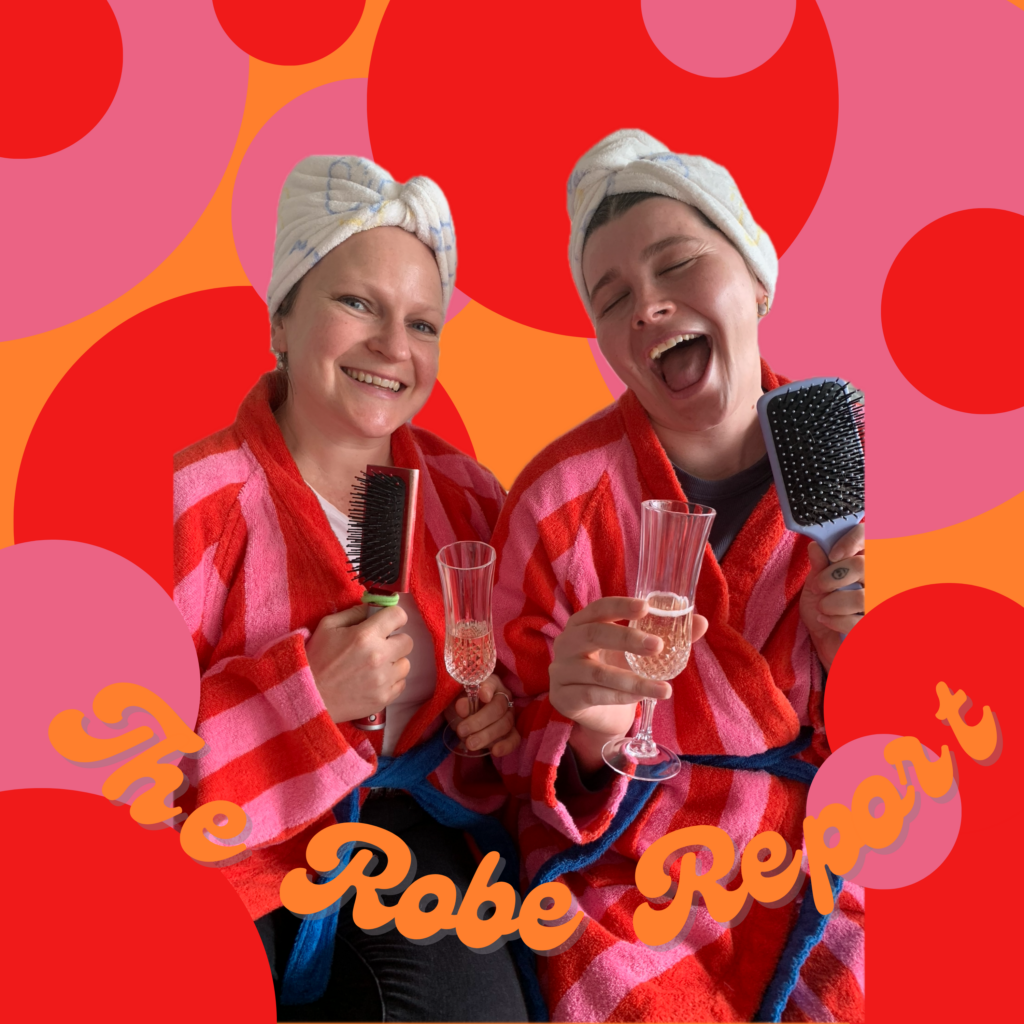
On this episode of the Robe Report, hosts Shae and Shey dive into a lively discussion about the evolving world of school projects and presentations. Are traditional methods still the best way to communicate ideas, or are modern digital tools taking over the classroom?

The episode explores the pros and cons of both “old school” and “new school” approaches. Guest Liz joins the conversation to advocate for the newer style of projects. She highlights the benefits of using digital tools like Canva, slide decks, and video presentations. Explaining how these formats let students be more creative, visually engaging, and adaptable to the digital world we live in.

At the same time, Shae and Shey hear from Amy, who values face-to-face socializing, hands-on activities, and exploring ideas in different ways. She explains that projects where students can create, collaborate, and experiment with multiple modes of learning make the classroom more interactive and meaningful for everyone.

Is one style truly better, or is there room for both in the classroom? Tune in as the group shares experiences, debates preferences, and reflects on how presentation styles are changing with the times.

Watch Here:

The Robe Report Ep 336.mp4 – Google Drive

Why Digital Accessibility Is Essential in Education

A herd of horses standing in a field surrounded by Trees. In the background there is a big mountain.

Photo by Holly Mandarich on Unsplash

Why Digital Accessibility Matters More Than We Think

For several years, I worked as an Educational Assistant, and during that time, I saw firsthand just how essential digital accessibility is for student agency. Tools like speech-to-text, audio recordings, and video support do far more than offer convenience. They give students freedom. They give them ownership. Most importantly, they give them control over their own learning.

During my time in the school system, there were never enough EA’s to support every student who would benefit from a scribe or reader. Digital accessibility tools help bridge that gap. They create opportunities for all students to succeed, not just those who can access one-on-one support.

I often had to pull students into the hallway to scribe for them or read instructions aloud. While the intention was to help, it sometimes created an unintended sense of separation. Digital accessibility reduces that othering effect. When tools are built into the learning environment, students can access support discreetly and independently, without being singled out.

Things I did not know about Digital Accessibility

There were also many aspects of digital accessibility I had never considered before. For example, I had not thought about the importance of being able to copy and paste information into another document or app. Something that simple can make a huge difference. Speech-to-text tools are incredibly powerful for students with learning disabilities or vision impairments. They can also be transformative for English Language Learners who benefit from translation tools and multimodal supports.

Visual accessibility is another critical piece. The ability to adjust contrast, zoom in and out, or modify display settings can dramatically improve access for students with visual impairments.

I also did not realize that accessibility in education is a legal requirement. Knowing that there are established standards like the Web Content Accessibility Guidelines (WCAG) reinforces the importance of intentional design. These guidelines provide a clear framework for creating inclusive digital spaces.

Bringing Film Into the Classroom with the NFB

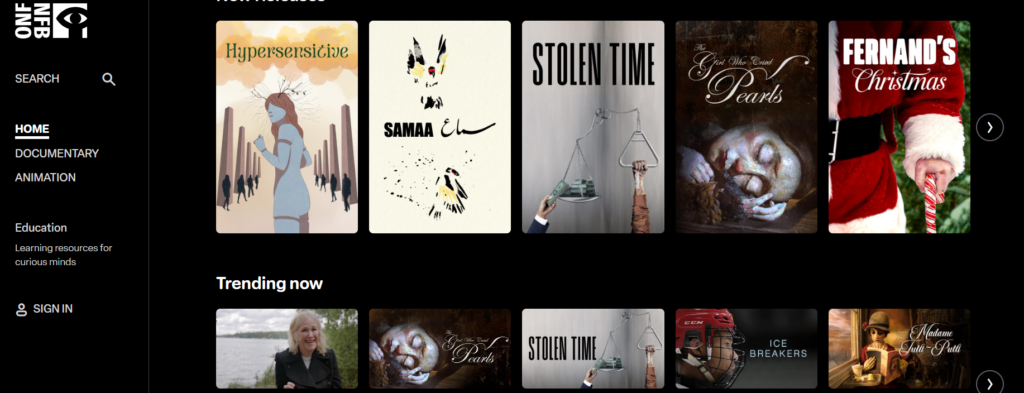
Today I had the chance to attend a Pro D Day session hosted by the National Film Board of Canada called “K-12: More than Just Great Canadian Films!” and it definitely lived up to the title. I walked away feeling genuinely excited about this resource and all the ways I can use it in my future classroom. The Speaker was warm, engaging, and incredibly informative, and she took the time to answer all of our questions thoughtfully. Her enthusiasm for the NFB and its educational resources really came through and made the session even more valuable.

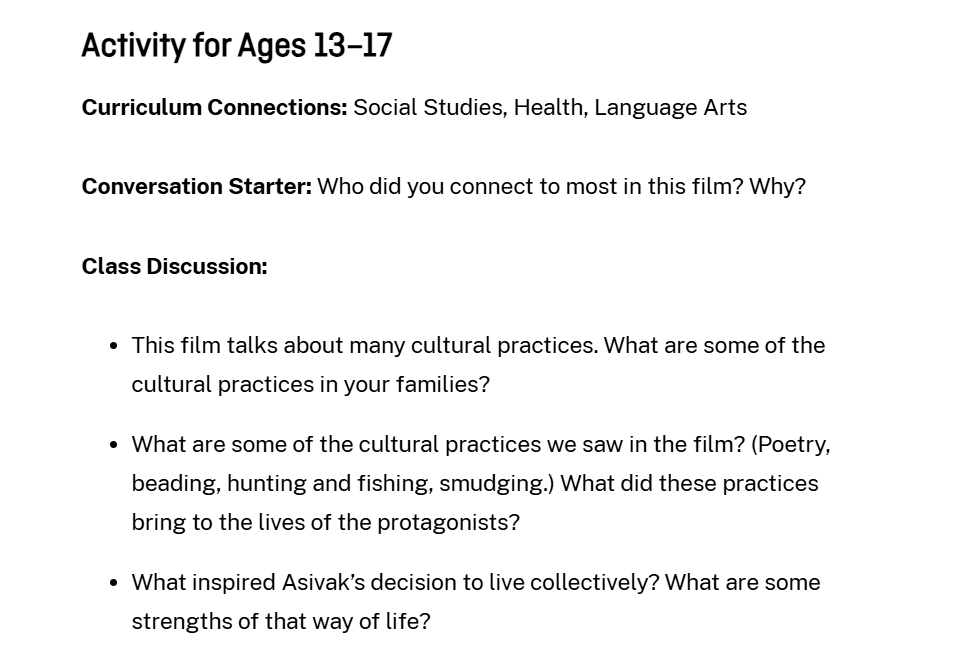
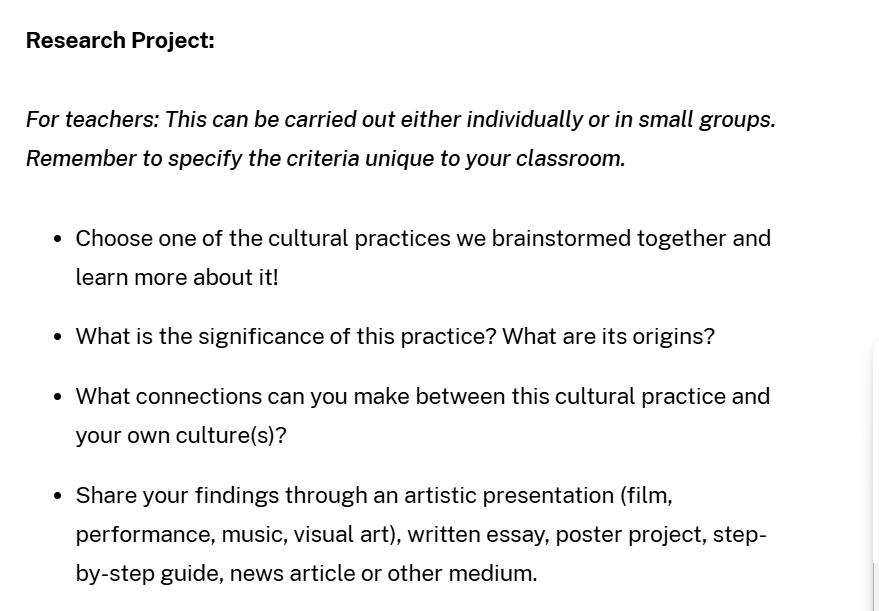
Screenshot
Screenshot

Before this session, I was not very familiar with the NFB, and I had no idea they had such a large collection of films or so many classroom-ready resources available for teachers. There is a huge range of documentaries and short films that can easily enhance a lesson or even help shape an entire unit. It is not just about showing a film. It is about using it as a meaningful teaching tool.

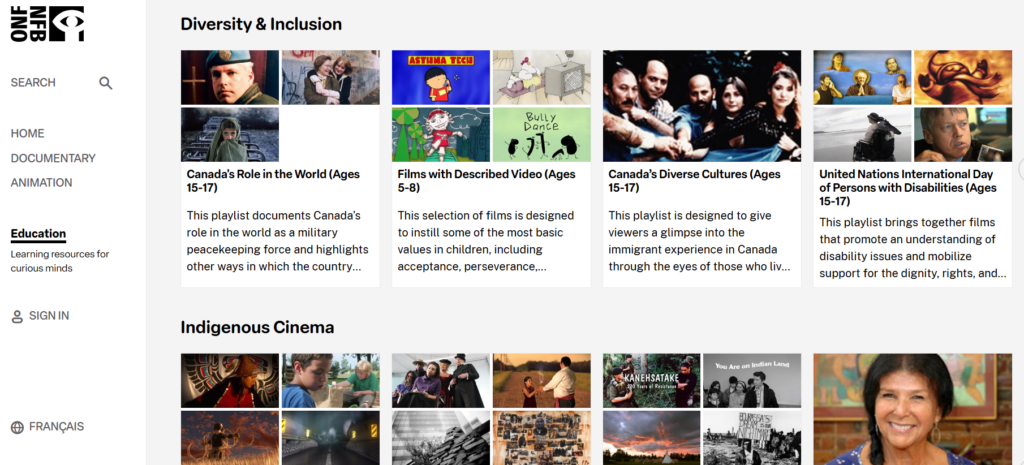
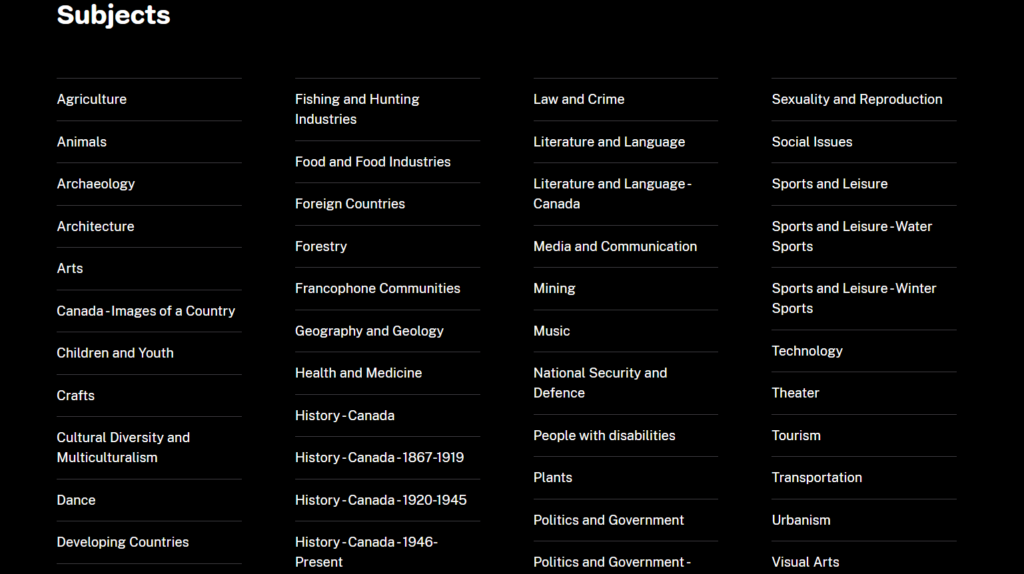
One thing I really appreciated is how easy the website is to use. The Education section is especially helpful because you can search by grade level and subject area. With just a few clicks, you can see exactly how a film connects to the curriculum. It makes planning feel much less overwhelming. There is also an impressive amount of material in each subject area, so you are not trying to force something to fit. It actually fits naturally.

Another feature I liked was the mini-lesson links connected to many of the films. These take you straight to full lesson plans that break down the film’s themes and include ready-to-use activities. It is such a practical feature because it saves time while still encouraging meaningful student engagement. The lessons are clearly designed to get students thinking and participating, not just watching.

I attended the session with my classmate Liz. She is a science teacher, and I am focusing on social studies, but we both found so many films that could work in either subject. We talked afterwards about how adding even one of these lessons into a unit could really deepen student understanding and bring in more multimodal learning.

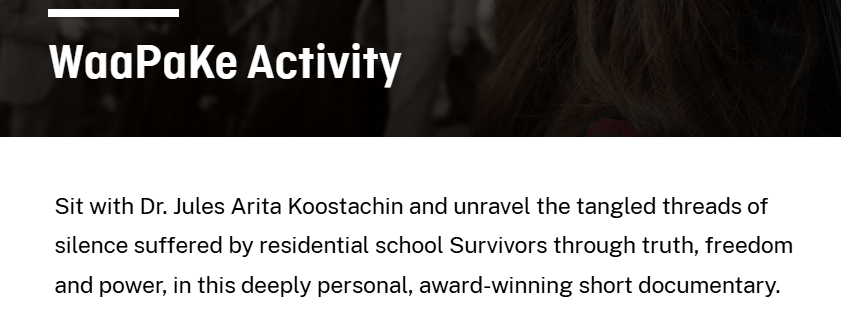
As a future social studies teacher, I am especially excited about how these films bring in diverse voices. Many of them include first-person accounts, which add so much more depth than a textbook alone. When exploring Indigenous topics, students can hear directly from Elders and community members. That kind of storytelling makes history feel real and personal, and it helps students build a stronger connection to what they are learning.

There are honestly so many great lessons to choose from that it is hard to narrow them down. I have started compiling a short list of films I would love to use, and I look forward to incorporating them into future units. Overall, this session reminded me of the power of film in the classroom and how much stronger a lesson can be when students can see and hear the stories behind the content.

Exploring the Pacific School of Innovation & Inquiry

I recently toured the Pacific School of Innovation & Inquiry (PSII), and it proved to be a truly eye-opening experience. The funny thing is, I have lived right across the street for two years and had no idea there was a high school there. I always assumed it was some college. I was excited to check it out and learn more about how the school works.

What stood out the most was the focus on inquiry-based learning. Instead of splitting knowledge into strict subjects, students explore ideas in a more holistic way, often connected to real-life situations. It encourages deeper understanding, critical thinking, and adaptability. Students really get the chance to look at ideas from all angles and become well-rounded thinkers.

The principal really impressed me. He was so passionate about the school and clearly believed in the vision. I loved that he just went for it and made this idea happen. It takes a lot of courage to do that, and his energy made the school feel really inspiring.

I also loved how students are encouraged to take charge of their own learning. They get to explore what they are genuinely curious about and are involved in every step of the process. The relationships between teachers and students seemed really strong. It felt like everyone learns from each other instead of it just being a one-way street.

Of course, I left with some thoughts. PSII is a really small school, with about 120 students. That makes it easier to build those close relationships, but I wonder if it works on a larger scale. I also wonder if this approach works for every type of learner. Students need to be self-motivated, creative, and able to follow through on their own questions for inquiry to work. From my experience as an Educational Assistant, I know some students, especially those who struggle with executive functioning, might find it hard to start and finish big projects or settle on a single idea.

I also thought about the social side. With such a small school, students might miss out on some opportunities that bigger schools offer, like sports teams or a variety of clubs. For me, high school was really about socializing and being involved in extra activities, so this kind of learning environment probably would not have been the best fit. But I can see how it could be amazing for some students who thrive in this style.

Overall, PSII is a fascinating example of what school could look like when curiosity and student choice are put at the centre. It might not be for everyone, but the focus on inquiry, holistic learning, and strong relationships makes it a really interesting alternative to traditional education.

Preparing to Teach in the AI World

As a future teacher, I am starting to realize that planning lessons can be harder than it looks. Figuring out how to break a unit into daily lessons and how long things will actually take can be tricky. That is where AI has been really helpful for me. I like using it to get ideas for pacing and to check whether my lessons support all types of learners. I can ask it to suggest sports where students may need extra help or ways to challenge students who are ready to move ahead. It helps me make my lessons more inclusive and make sure no one gets left behind. 

Even though AI is helpful, I do not think it should create full unit plans for teachers. AI can be wrong, and it does not know your classroom, your students, or your teaching style. Planning lessons still needs a human touch. I also do not think AI should be used for grading. Part of teaching is knowing what you taught, what you expected students to learn, and how each student is growing. That understanding comes from being in the room with your students, something AI cannot replace.

For Students, AI can be a really useful tool. It can take difficult concepts and explain them in ways that make more sense for students. I have seen students use AI to get explanations that click for them that weren’t given in class. AI can also help students organize large projects, break assignments into steps, and brainstorm ideas. 

The problem comes when students rely on AI to do all the work for them. I have seen students copy and paste essay questions into AI and submit the answers as their own with no research into the question. When this happens, students are not learning the topic or practicing important skills like writing, thinking critically, and forming their own ideas. I worry that using AI too much could reduce creativity and independent thinking. 

As AI becomes a bigger part of our world, one of the most important skills we can teach students is how and when to use it responsibly. Understanding digital literacy and seeing AI as a tool rather than a replacement will help students use it to support their learning without losing their own skills and ideas.

Using Different Media to Enhance Lessons

I plan to teach Social Studies for grades 9 to 12, and I think there are many great ways to use video and audio as assignment mediums. Almost any project in Social Studies can be turned into an opportunity for students to create podcasts, slideshows with voiceovers, short documentaries, or even interactive videos. I would let students choose the format that works best for them, which gives them more ownership over their learning and allows them to showcase their strengths. 

For example, in a unit I designed about the Holocaust, my final project was to get students to make a digital story following the life of someone who lived through that time. The goal was for students to show what they learned over the two-week unit and present their knowledge in any way they wanted. 

To make these assignments engaging, I would provide one or two lessons on basic video and audio editing and introduce different tools that students can use. I would make it clear that the goal is not professional-level editing but practicing skills, experimenting, and expressing ideas creatively. Giving students the freedom to make choices about their project encourages them to take risks, problem-solve, and think creatively as they plan, edit, and refine their work. 

Video editing connects closely to the B.C. Creative Thinking competency which requires students to come up with original ideas and figure out how to turn them into something meaningful. They get to make decisions about images, sound, and pacing, and they experiment and solve problems. Students get to reflect on their work and make improvements along the way. This process helps them build flexibility, confidence, digital literacy, and critical thinking skills. 

Using video or audio also aligns with Universal Design for Learning (UDL), which focuses on creating learning experiences that work for all students. By providing multiple ways to express understanding, students who might struggle with writing have the chance to communicate through visual, audio, and storytelling. UDL also encourages giving students choice, allowing them to work in ways that match their strengths and interests.

Reimagining Education

I believe that education needs to be reimagined, especially as technology continues to change how we live and work rapidly. Even though I know education must change, it is easy to fall back on the way I was taught when thinking about how I want to be an educator. It can be challenging to determine how to change education within a system that often feels stuck and outdated.

In the video Most Likely to Succeed, which we watched for class, I appreciated how clearly the historical information of the education system was explained. As a Social Studies teacher candidate who enjoys learning about history and its impact on society today, this was especially interesting to me. The video showed that much of our education system was designed to prepare students for jobs that were relevant at the time. Today, we live in a vastly different world, and students need to be prepared for a rapidly changing job market. 

While I admired many aspects of High Tech High, the school featured in the video, it also raised some important questions. Several classmates and I were wondering how students from this school would adjust to university. I appreciated the emphasis on teamwork and student-led learning, and I would have liked to see follow-up stories about graduates to better understand the long-term impact of this approach. Many of the strategies shown, such as the Socratic seminar, would work especially well in Social Studies classes by encouraging student-led discussions. During our breakout room discussion, a science teacher candidate pointed out that science learning was largely absent from the video. The students did not appear to spend much time in science labs, which could be a disadvantage for those who want to pursue science-related programs in university. This made me reflect on how difficult it might be to fit a model like High Tech High into a society where university remains a common goal for many students. While university is not the only purpose of completing high school, the way our education system is currently structured encourages many students to see university as the primary pathway to a career. For a school model like this to work effectively, a complete rethinking of education would be needed, beginning in kindergarten and continuing through to post-secondary education, for these ideals to flourish. 

The video also highlighted how many students felt overwhelmed when they entered high school and encountered a completely different approach to learning. I believe skills like teamwork and social responsibility are very important skills to learn, but in my opinion, they should be introduced at a younger age. In Denmark, education places a strong emphasis on life skills and being an active, responsible member of society. Their system has moved away from memorization and heavy testing. Teaching these values early would help students succeed throughout their schooling and prepare them to be effective collaborators in future careers. Starting early also prevents students from having to study and change how they see themselves as learners during their teenage years. 

One of the greatest challenges for teachers is figuring out how to adjust their teaching within a system that is slow to change. In the TED Talk I found, the speaker explained that transforming the entire education system would take significant time and effort. However, she also emphasized that meaningful change can begin with small steps at the school or classroom level. I strongly connected with her ideas of student-centered learning, where students take greater responsibility for their education. This approach allows teachers to make impactful changes without needing to completely redesign their courses. 

As I move through this program, I am beginning to see new policies and ideas that make me excited about the future of teaching. In B.C., education is placing a stronger emphasis on student responsibility and meaningful feedback. Students are given time to work with teachers and take an active role in constructing their own learning. Parents are more involved and are able to see where their children stand on their path toward graduation. All of these changes are moving education toward a more student-led learning and greater student responsibility. This gives me hope for the future of education.