
Today I had the chance to attend a Pro D Day session hosted by the National Film Board of Canada called “K-12: More than Just Great Canadian Films!” and it definitely lived up to the title. I walked away feeling genuinely excited about this resource and all the ways I can use it in my future classroom. The Speaker was warm, engaging, and incredibly informative, and she took the time to answer all of our questions thoughtfully. Her enthusiasm for the NFB and its educational resources really came through and made the session even more valuable.


Before this session, I was not very familiar with the NFB, and I had no idea they had such a large collection of films or so many classroom-ready resources available for teachers. There is a huge range of documentaries and short films that can easily enhance a lesson or even help shape an entire unit. It is not just about showing a film. It is about using it as a meaningful teaching tool.
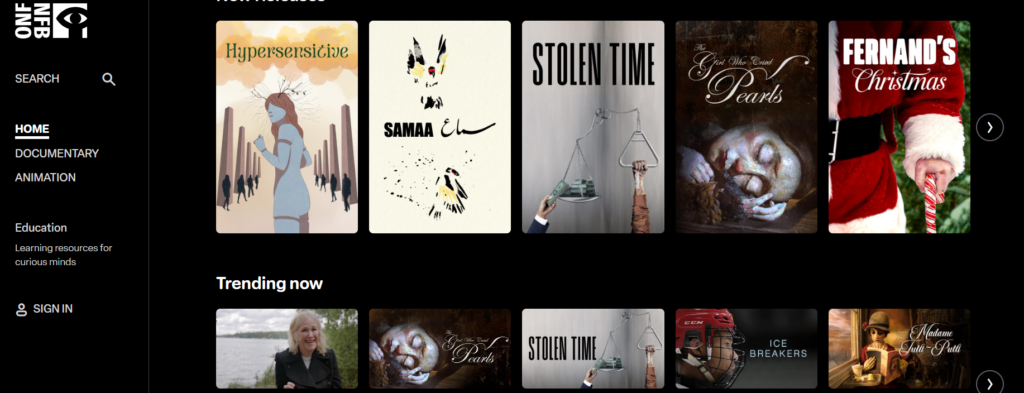
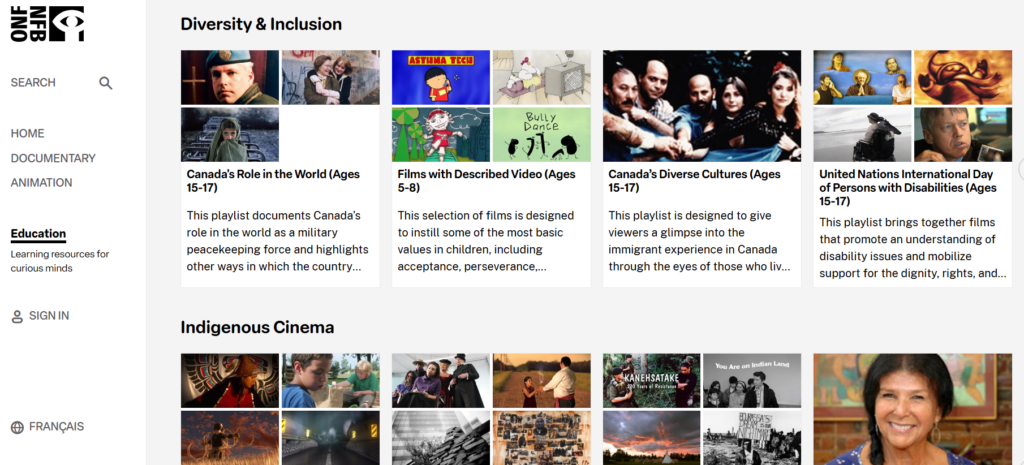
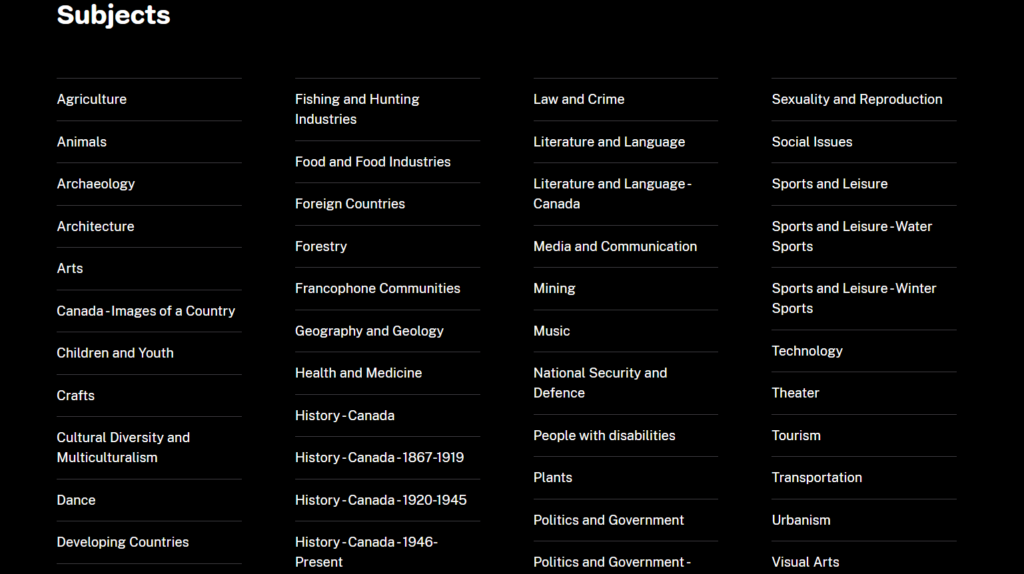
One thing I really appreciated is how easy the website is to use. The Education section is especially helpful because you can search by grade level and subject area. With just a few clicks, you can see exactly how a film connects to the curriculum. It makes planning feel much less overwhelming. There is also an impressive amount of material in each subject area, so you are not trying to force something to fit. It actually fits naturally.
Another feature I liked was the mini-lesson links connected to many of the films. These take you straight to full lesson plans that break down the film’s themes and include ready-to-use activities. It is such a practical feature because it saves time while still encouraging meaningful student engagement. The lessons are clearly designed to get students thinking and participating, not just watching.
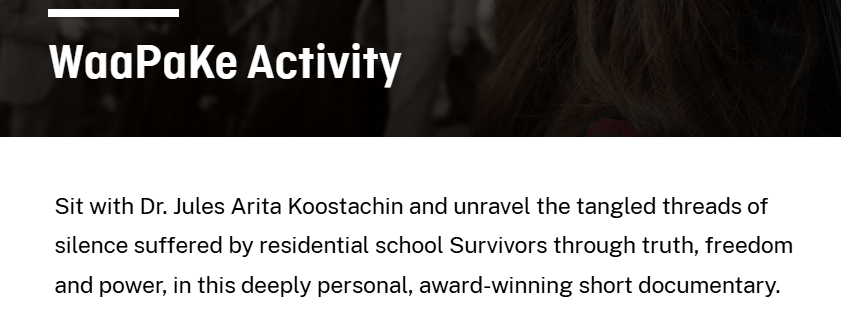
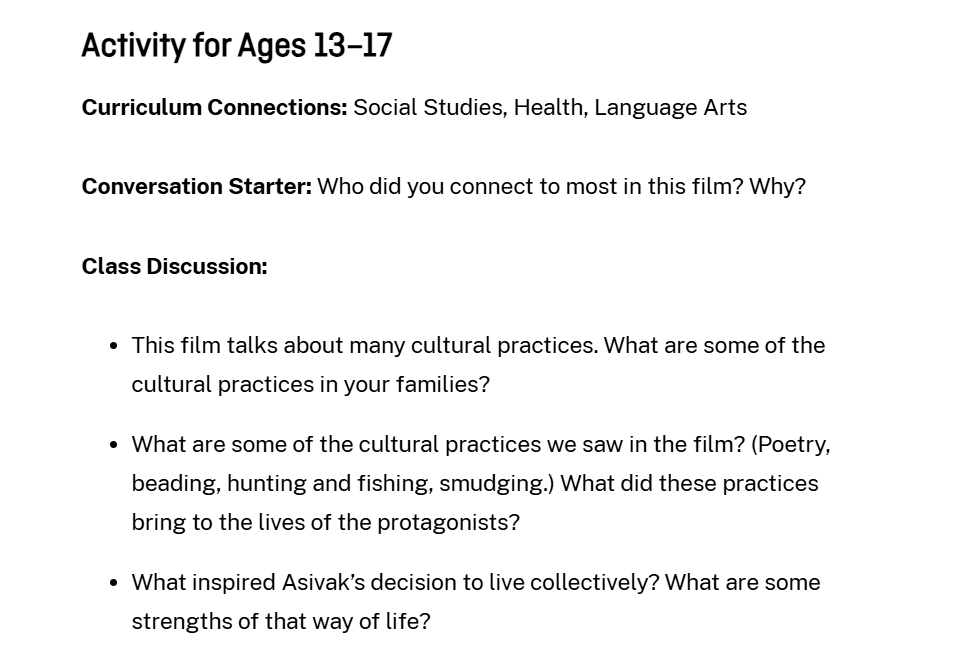
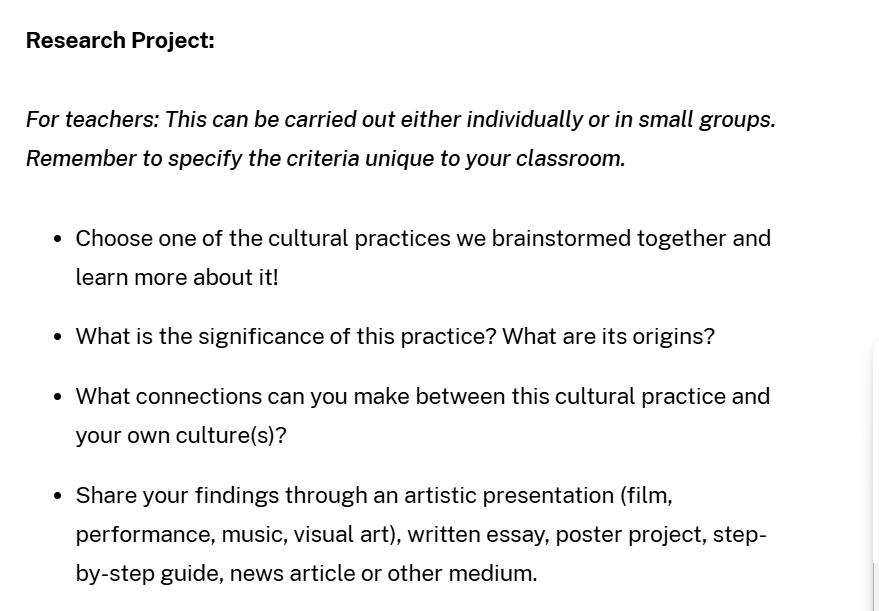
I attended the session with my classmate Liz. She is a science teacher, and I am focusing on social studies, but we both found so many films that could work in either subject. We talked afterwards about how adding even one of these lessons into a unit could really deepen student understanding and bring in more multimodal learning.
As a future social studies teacher, I am especially excited about how these films bring in diverse voices. Many of them include first-person accounts, which add so much more depth than a textbook alone. When exploring Indigenous topics, students can hear directly from Elders and community members. That kind of storytelling makes history feel real and personal, and it helps students build a stronger connection to what they are learning.
There are honestly so many great lessons to choose from that it is hard to narrow them down. I have started compiling a short list of films I would love to use, and I look forward to incorporating them into future units. Overall, this session reminded me of the power of film in the classroom and how much stronger a lesson can be when students can see and hear the stories behind the content.