EdCamp is a fun and engaging way for educators to connect around topics that interest them. The idea behind EdCamp is that it is an “unconference,” meaning participants help create the agenda themselves. Everyone gathers and writes down questions or topics they want to learn more about, and then participants vote on which questions they are most interested in discussing. Sessions are then created based on the topics with the most votes. This format makes EdCamp very participant-driven and allows educators to have a real say in the conversations they want to be part of.
One potential downside is that the person who writes the question is usually the one who helps lead the session. This means there is not always a clear expert guiding the discussion. While this approach encourages collaboration and the sharing of ideas, it can sometimes mean that no one in the group has a strong background in the topic being discussed. Even so, it remains a great way for educators to exchange perspectives and learn from one another’s experiences.
336 EdCamp Experience
The EdCamp I participated in during class focused on outdoor learning. In my breakout room, we explored two main questions: What does outdoor learning look like across different subjects? And what individual experiences do we each have with learning outside of the classroom?
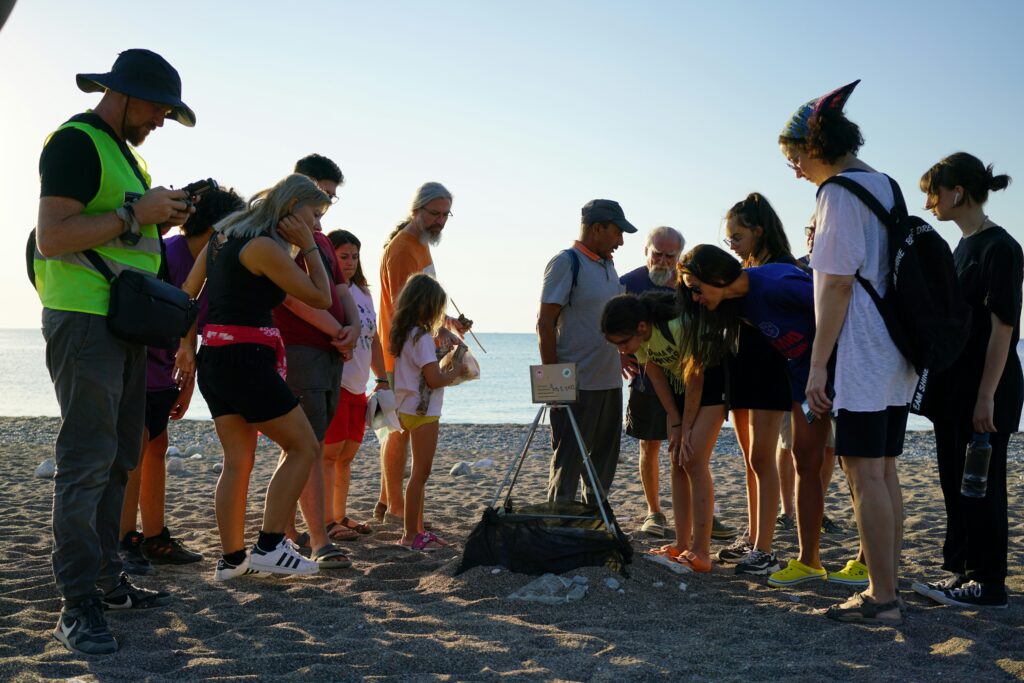
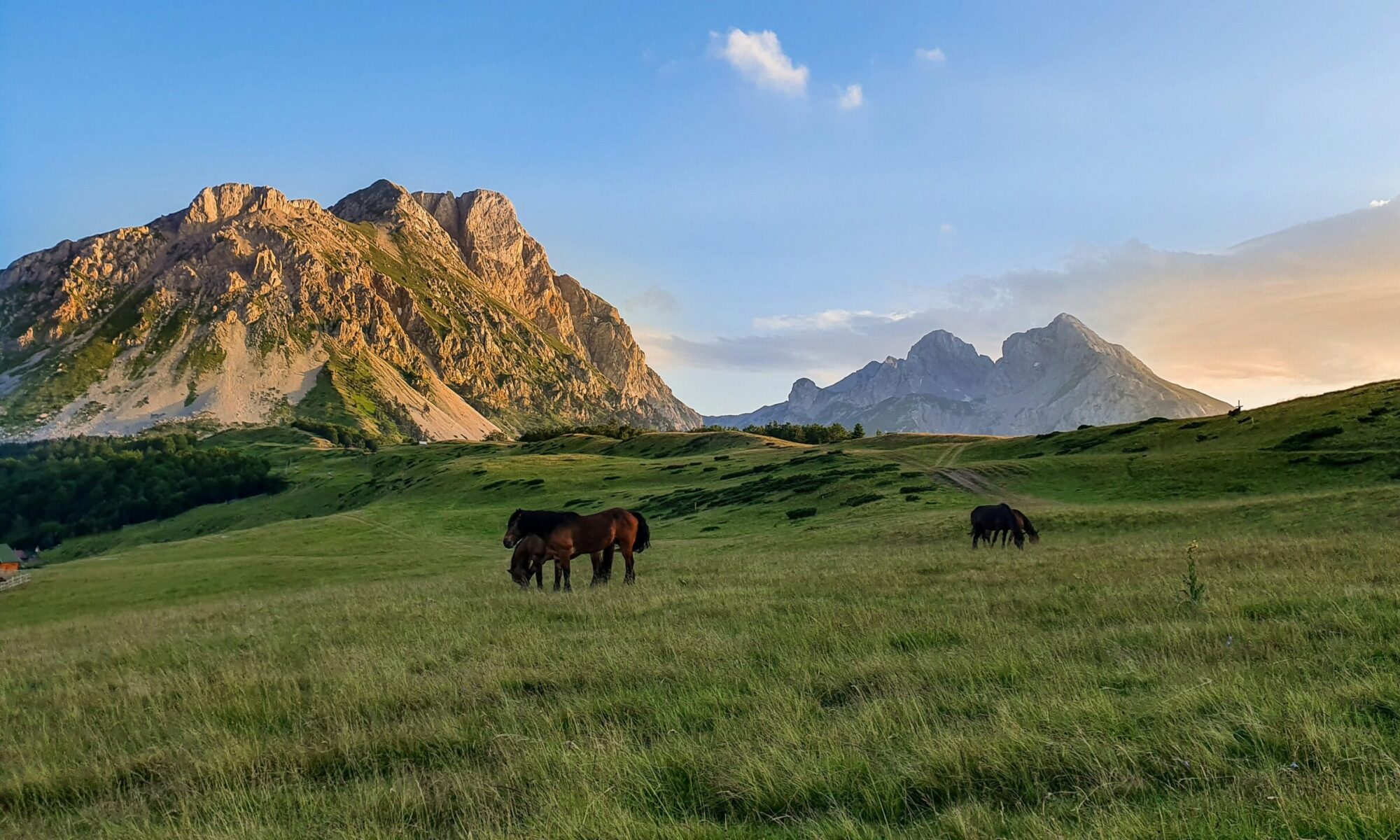
Photo by Aleh Tsikhanau on Unsplash
I found this session to be very helpful, and I learned a lot from my peers. We had a great discussion about the importance of being intentional when planning outdoor learning experiences. It was especially valuable to have people with different teachable subjects in the same breakout room, because we were able to hear ideas from a variety of perspectives. We also realized that outdoor learning offers many cross-curricular opportunities that could involve several subjects at once.
As a future Social Studies teacher, I could see many ways to incorporate outdoor learning into my teaching. For example, walking field trips to local areas could allow students to learn about how Indigenous groups historically used and interacted with the land. This would help connect place-based learning with the Social Studies curriculum.
One challenge we discussed was the reality that we live in a very rainy place. It can be difficult to motivate students to go outside when the weather is cold or wet. However, our group felt that this challenge could be addressed by encouraging students to come prepared with appropriate clothing and by giving them advance notice when outdoor activities are planned.

Photo by frame harirak on Unsplash
Overall, the discussion left me feeling inspired. I will definitely be looking for ways to incorporate outdoor learning into my future classroom.